

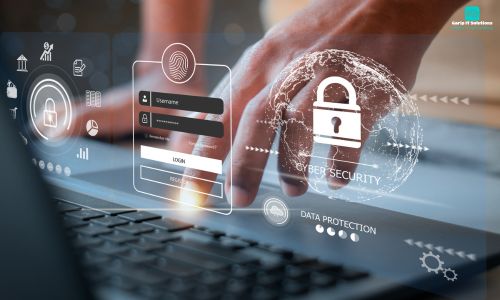
In today’s digitally interconnected world, the convenience and efficiency brought by the internet are matched by equally significant threats to our personal and organizational security. Cybersecurity, the practice of defending computers, servers, mobile devices, electronic systems, networks, and data from malicious attacks, has never been more crucial. As we navigate this digital age, understanding the importance of cybersecurity is paramount to safeguarding our digital lives.
The Expanding Digital Landscape
Our reliance on digital technologies has grown exponentially. From personal communications and online banking to complex corporate networks and government infrastructures, nearly every aspect of modern life is touched by digital technology. With this ubiquity comes an expanded attack surface for cybercriminals, who are becoming increasingly sophisticated in their methods.
Types of Cyber Threats
Cyber threats manifest in numerous forms, each posing unique challenges and risks:
1. **Malware**: Malicious software designed to disrupt, damage, or gain unauthorized access to computer systems. This category includes viruses, worms, ransomware, and spyware.
2. **Phishing**: Deceptive attempts to obtain sensitive information by masquerading as a trustworthy entity in electronic communications. Phishing attacks often lead to identity theft and financial loss.
3. **Man-in-the-Middle (MitM) Attacks**: These occur when an attacker intercepts and potentially alters the communication between two parties without their knowledge. This can happen through compromised Wi-Fi networks or by exploiting other vulnerabilities.
4. **Denial-of-Service (DoS) Attacks**: These attacks aim to shut down a machine or network, making it inaccessible to its intended users. This is often achieved by overwhelming the target with a flood of internet traffic.
5. **SQL Injection**: This involves inserting malicious SQL code into a query to manipulate the database, allowing attackers to view, change, or delete data.
The Human Element
Often, the weakest link in cybersecurity is human error. Phishing scams and social engineering attacks prey on unsuspecting individuals, highlighting the need for ongoing education and vigilance. Encouraging a culture of cybersecurity awareness is essential. Simple practices such as using strong, unique passwords, being wary of unsolicited emails, and regularly updating software can significantly reduce the risk of cyber threats.
The Role of Organizations
For organizations, the stakes are even higher. A data breach can result in significant financial losses, reputational damage, and legal consequences. Comprehensive cybersecurity strategies must encompass multiple layers of defense, including:
– **Firewalls and Intrusion Detection Systems**: These create barriers and monitor network traffic for suspicious activity.
– **Encryption**: Protecting sensitive data both in transit and at rest to prevent unauthorized access.
– **Regular Security Audits**: Identifying vulnerabilities and ensuring compliance with cybersecurity standards and regulations.
– **Incident Response Plans**: Preparing for potential breaches with a clear plan for containment, eradication, and recovery.
Emerging Technologies and Future Challenges
As technology evolves, so do the tactics of cyber adversaries. The rise of the Internet of Things (IoT) introduces new vulnerabilities, with interconnected devices providing additional entry points for attacks. Artificial Intelligence (AI) and Machine Learning (ML) are double-edged swords; while they enhance cybersecurity measures, they also equip cybercriminals with more sophisticated tools.
Quantum computing, though still in its infancy, poses a potential threat to current encryption methods. The cybersecurity community must stay ahead of these advancements, developing quantum-resistant algorithms and exploring new defense mechanisms.
Conclusion: A Collective Responsibility
Cybersecurity is not solely the domain of IT professionals or large corporations; it is a collective responsibility. Governments, businesses, and individuals must work together to create a safer digital environment. Through education, vigilance, and proactive defense strategies, we can protect our digital lives from the ever-evolving landscape of cyber threats.
In this age of digital dependency, cybersecurity is the guardian of our information, privacy, and, ultimately, our way of life. As we continue to advance technologically, let us remain vigilant and committed to securing our digital future.